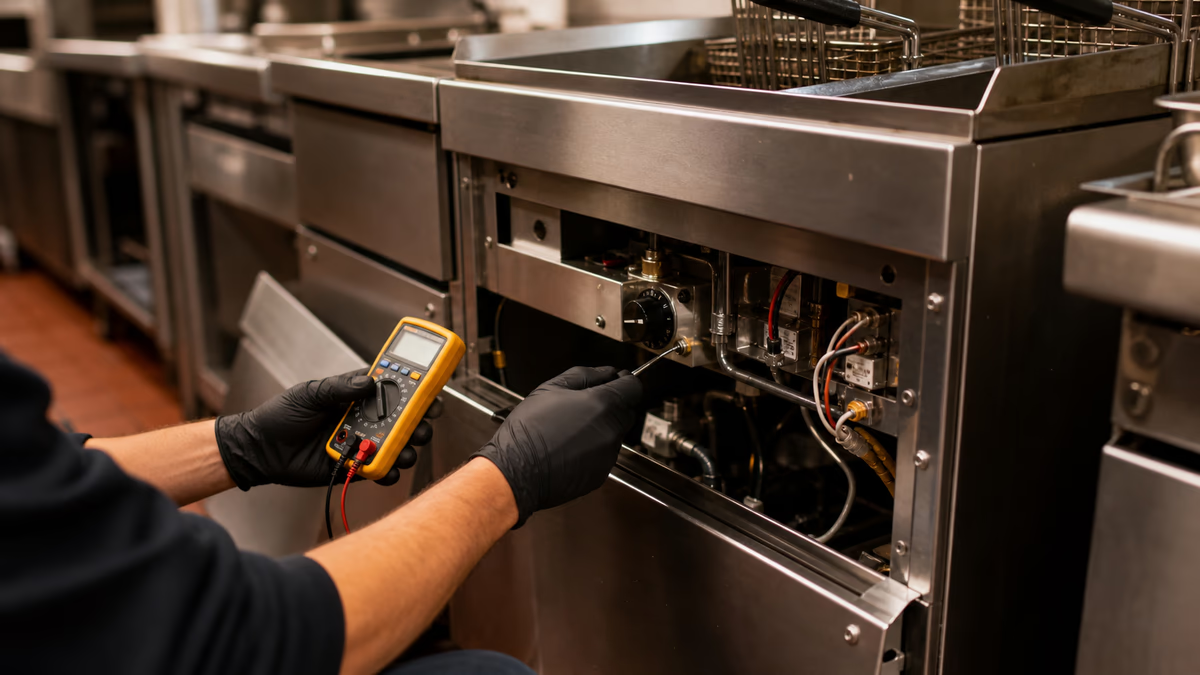
Commercial Fryer Troubleshooting: Safe Checks Before Service
Record safe operator observations when a commercial fryer stops heating, loses temperature or shuts down, and know when to stop and arrange qualified service.
Prepared
Equipment guides
Practical equipment care, troubleshooting, and repair guidance for commercial operators. Browse the existing guides by equipment or service topic.
ColdPros resources
Every published guide is available below. Choose a topic to narrow the list without leaving the page.
15 guides
Record safe operator observations when a commercial fryer stops heating, loses temperature or shuts down, and know when to stop and arrange qualified service.
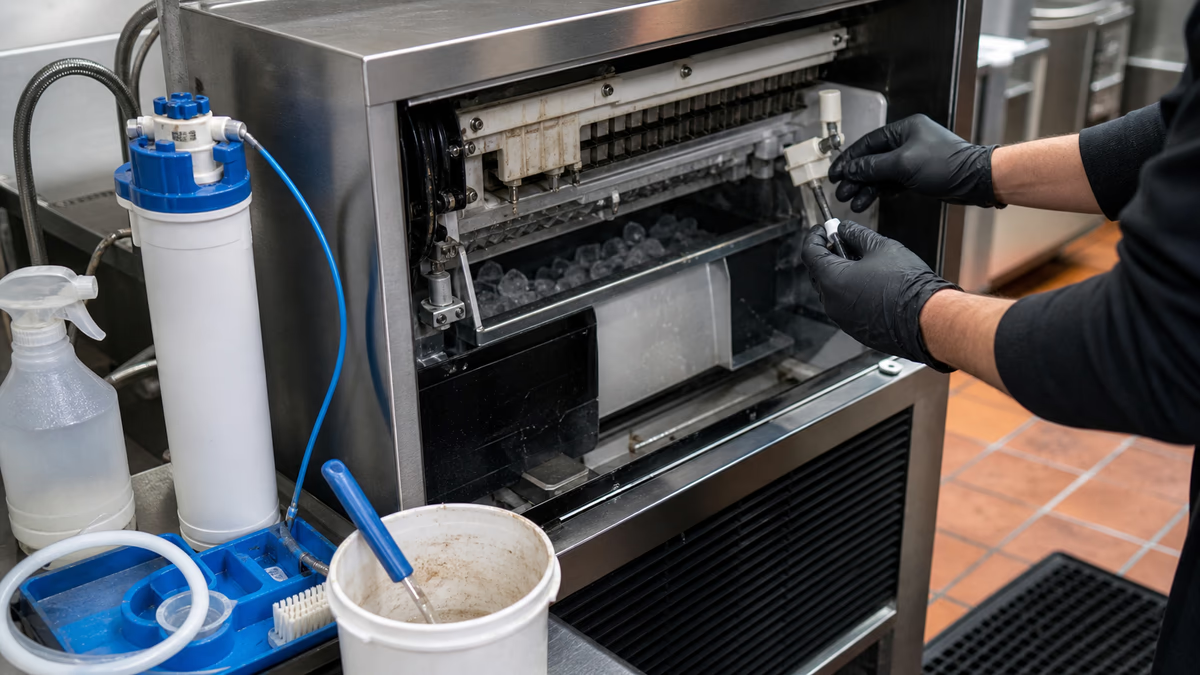
Record the machine’s visible status, water interruption and production changes. Several systems can affect ice production; the installed model guides professional diagnosis.
Arrival timing is discussed from current availability, equipment details, the full service address and access needs. A request is the start of that conversation, not a confirmed arrival window.
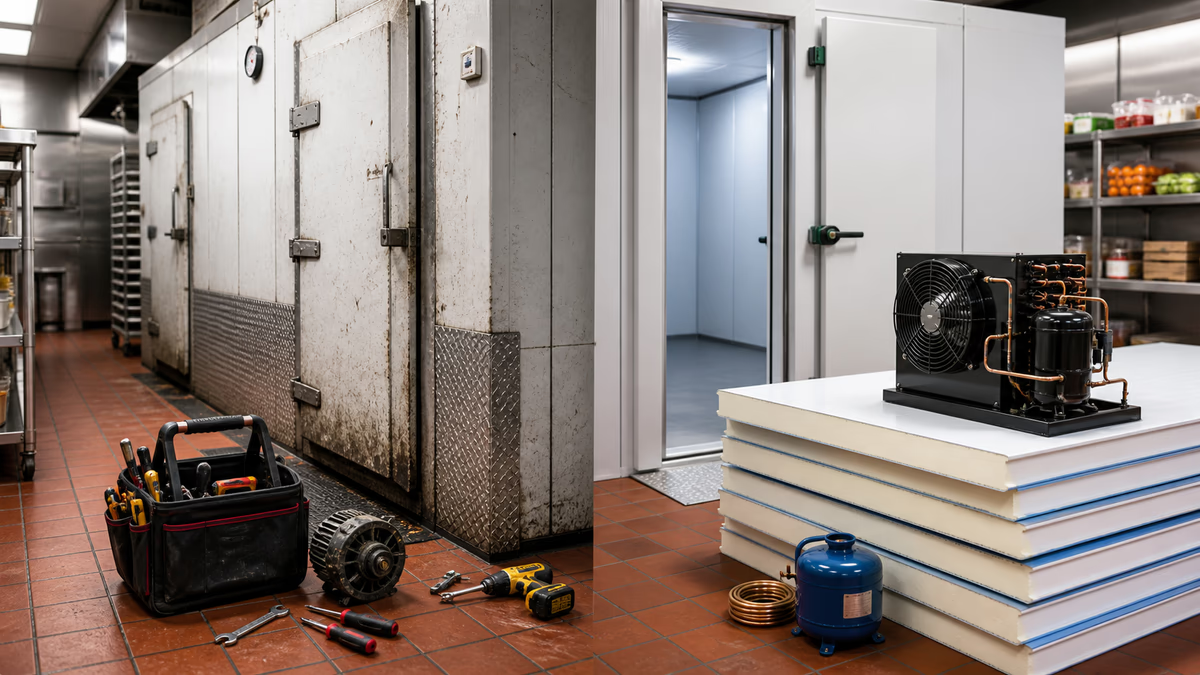
Compare the walk-in enclosure, refrigeration equipment, operating needs and itemized proposals. Repair, upgrade and replacement decisions need an assessment of the actual system.
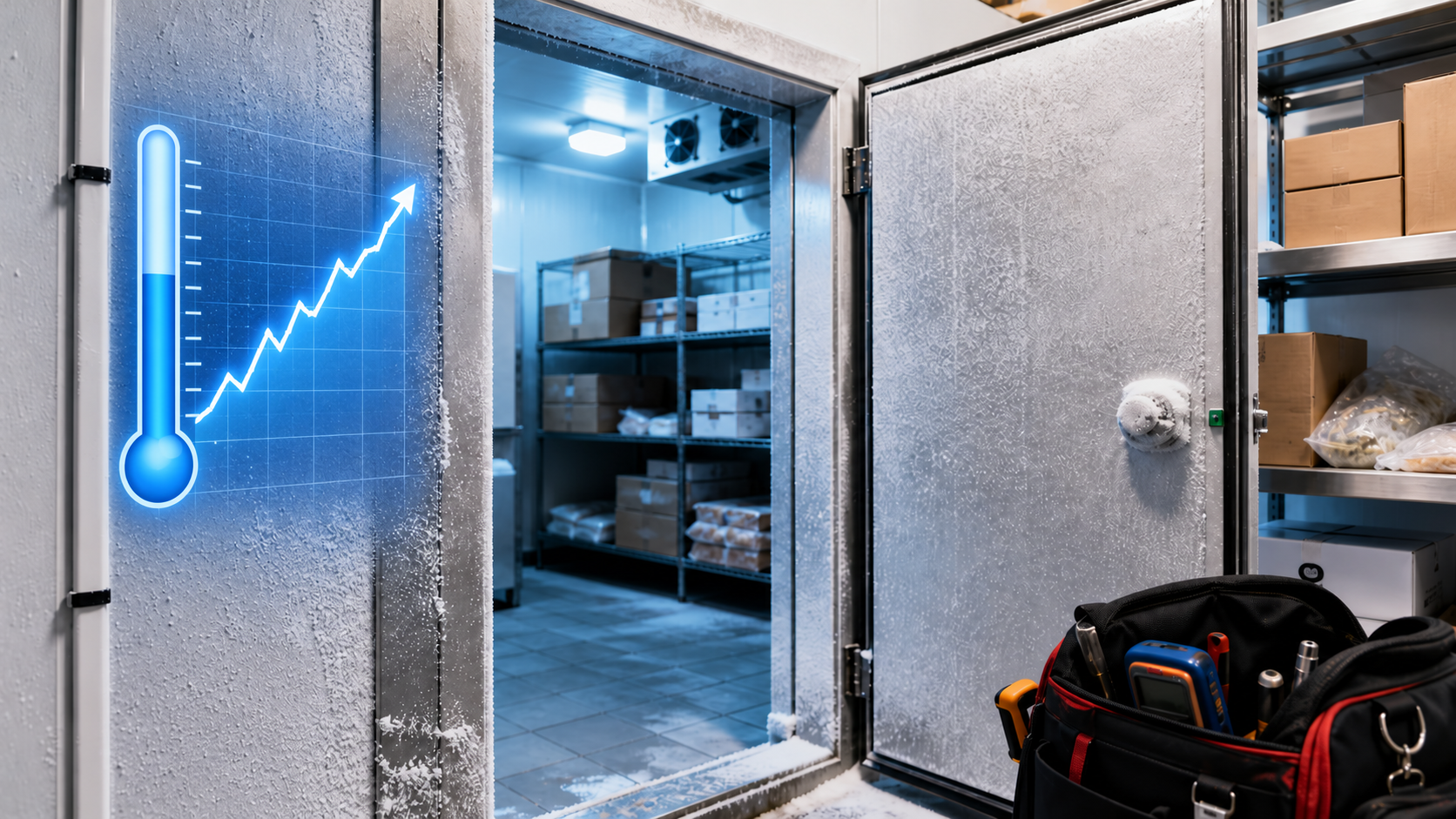
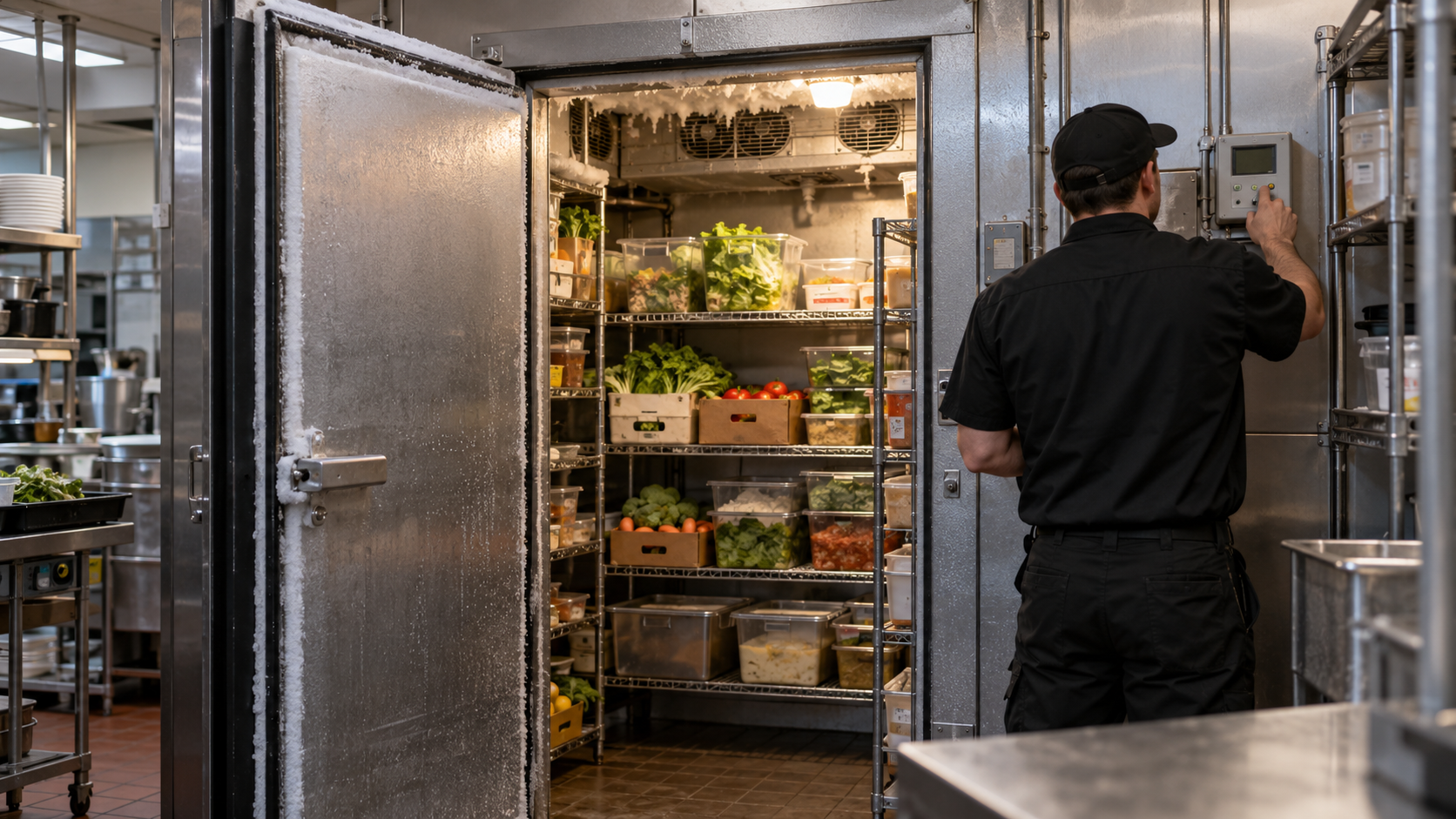
Record the temperature trend, door use, loading and visible ice without dismantling equipment. A warming walk-in freezer needs assessment appropriate to its installed system.
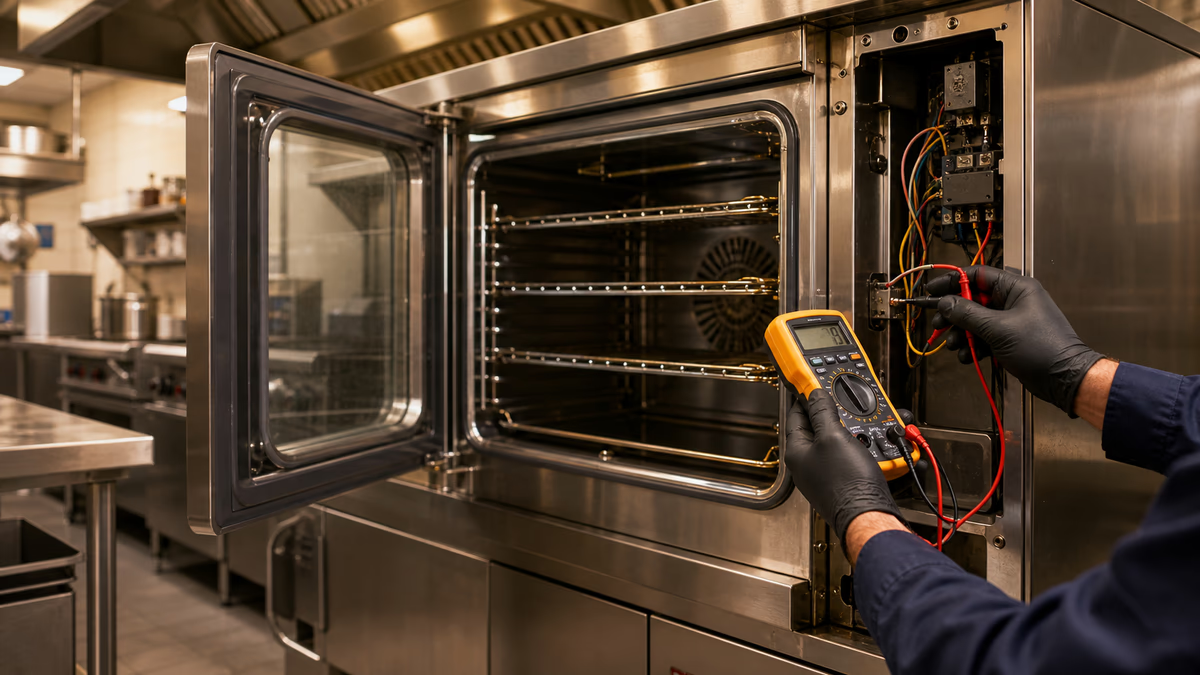
No heat can have several causes. Use safe external observations to describe your commercial oven problem and understand when professional diagnosis is needed.
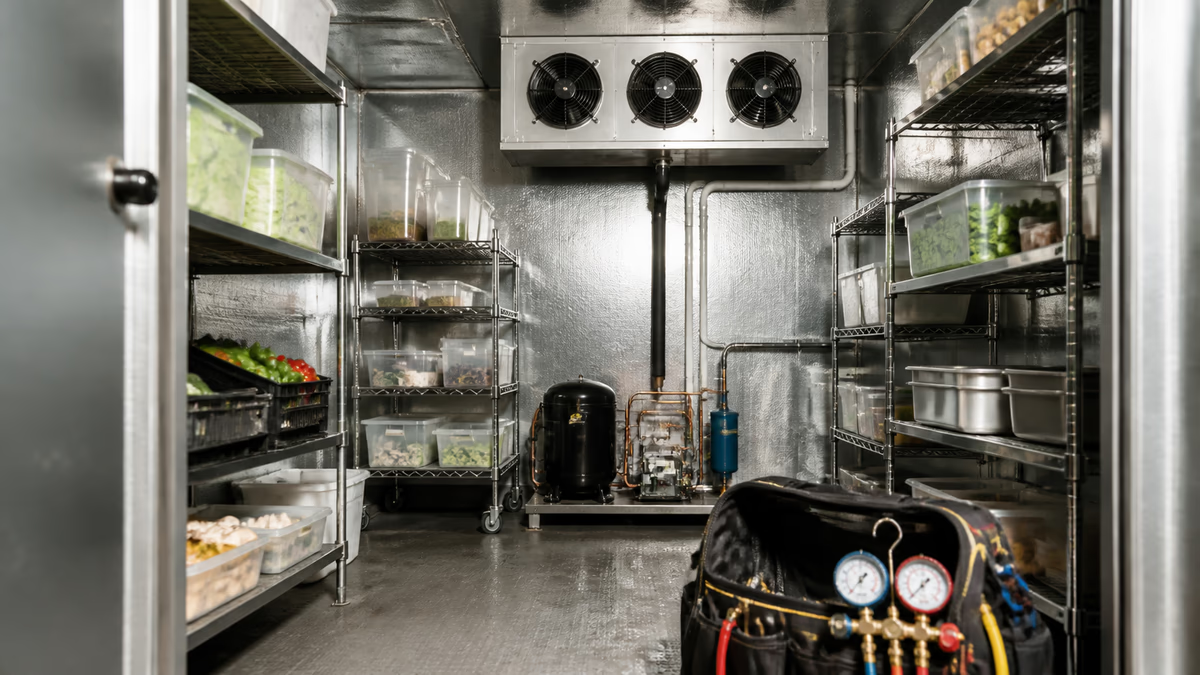
A running compressor does not confirm that the refrigeration system is cooling correctly. Use these safe observations to describe the problem and decide when professional diagnosis is needed.
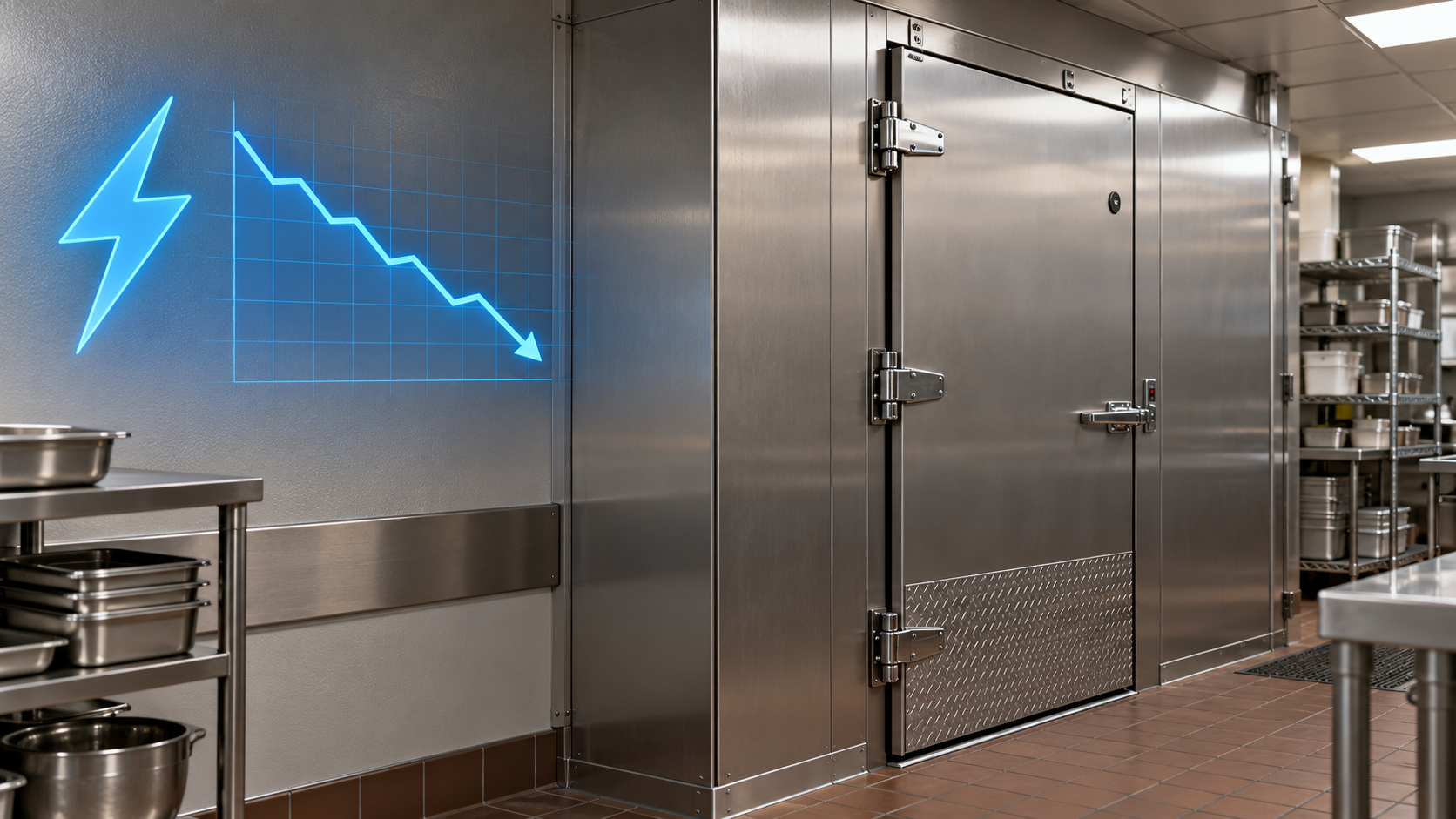
Start with operating records, visible condition and the installed equipment’s requirements. Evaluate maintenance or compatible upgrades against a clear baseline without assuming a savings percentage.
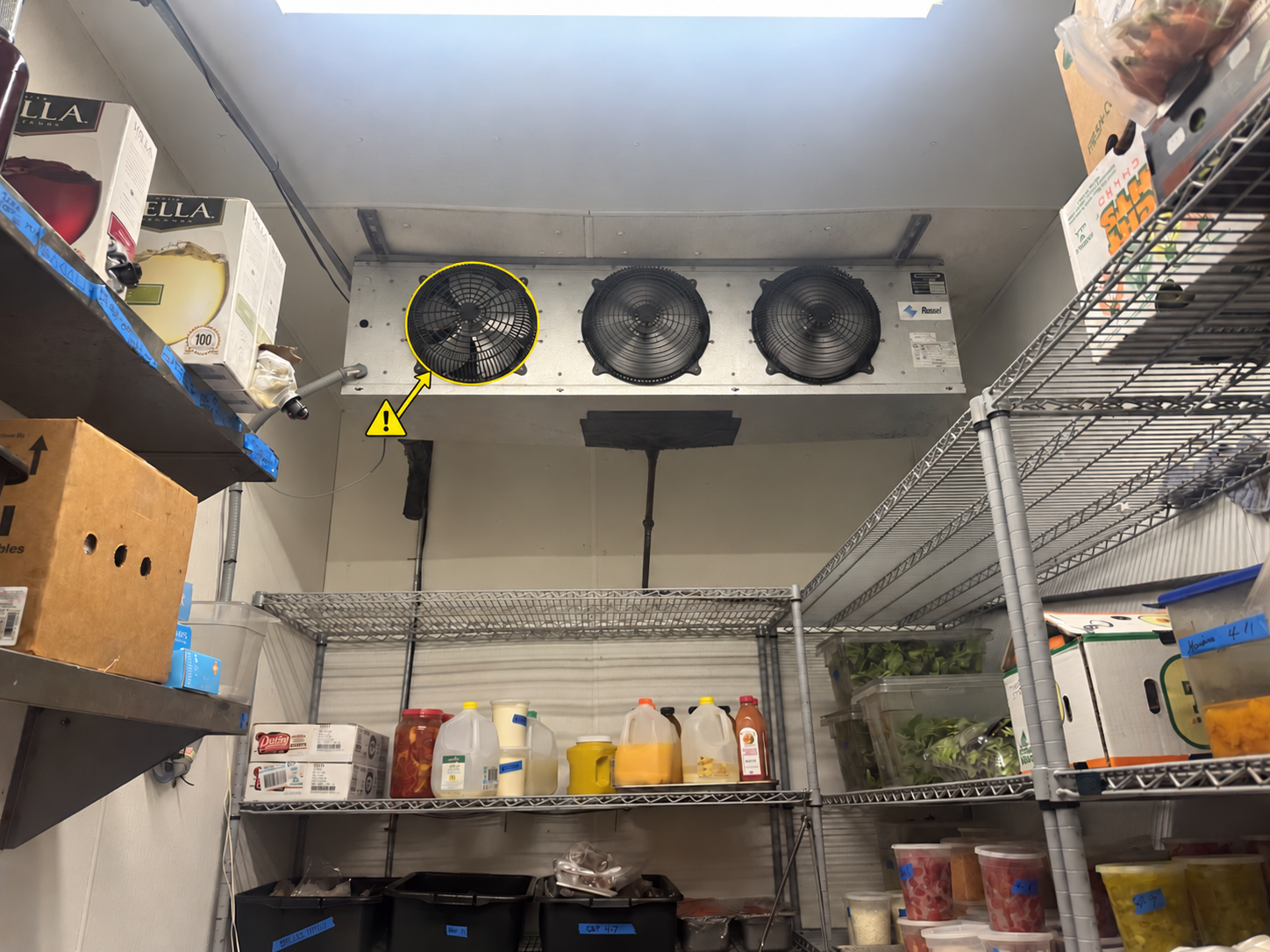
Temperature changes, visible ice, unfamiliar noise, water and energy trends can signal a need for assessment. Record the observations without assuming a failed part.
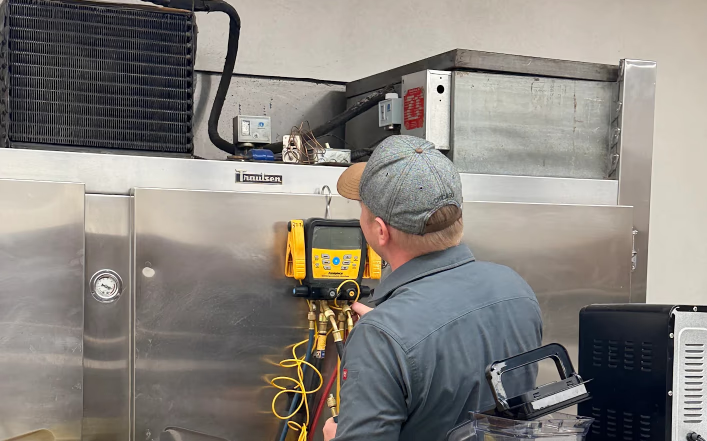
Describe the current equipment condition and discuss urgency with the service provider. Immediate safety hazards require emergency assistance, separately from an ordinary repair request.
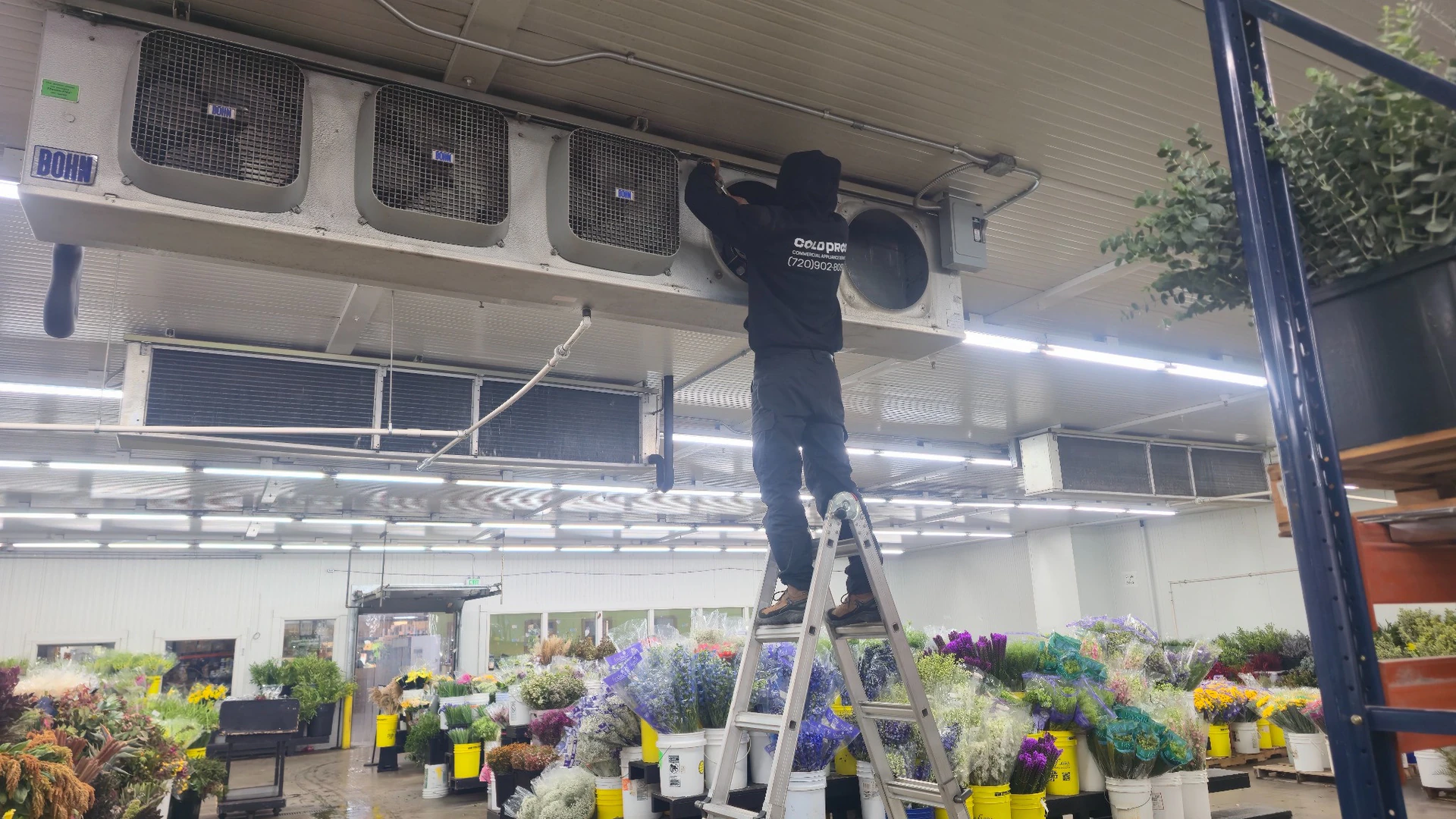
Plan walk-in maintenance around the installed equipment, manufacturer instructions and operating conditions. Separate safe operator observations from professional inspection and service.
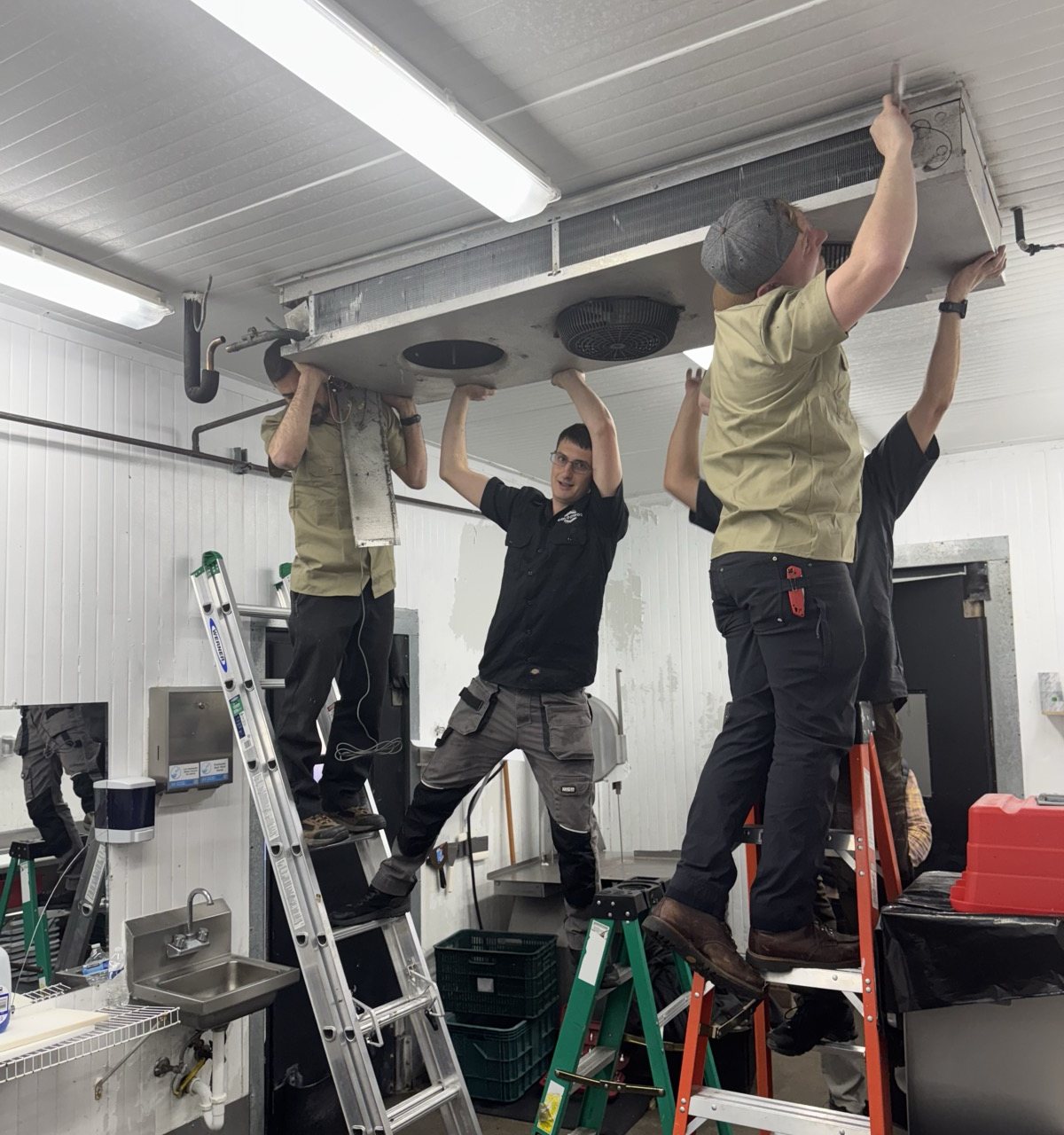
Prepare site, access, storage and equipment information for a walk-in project discussion. The project team confirms design, manufacturer and applicable requirements for the actual configuration.
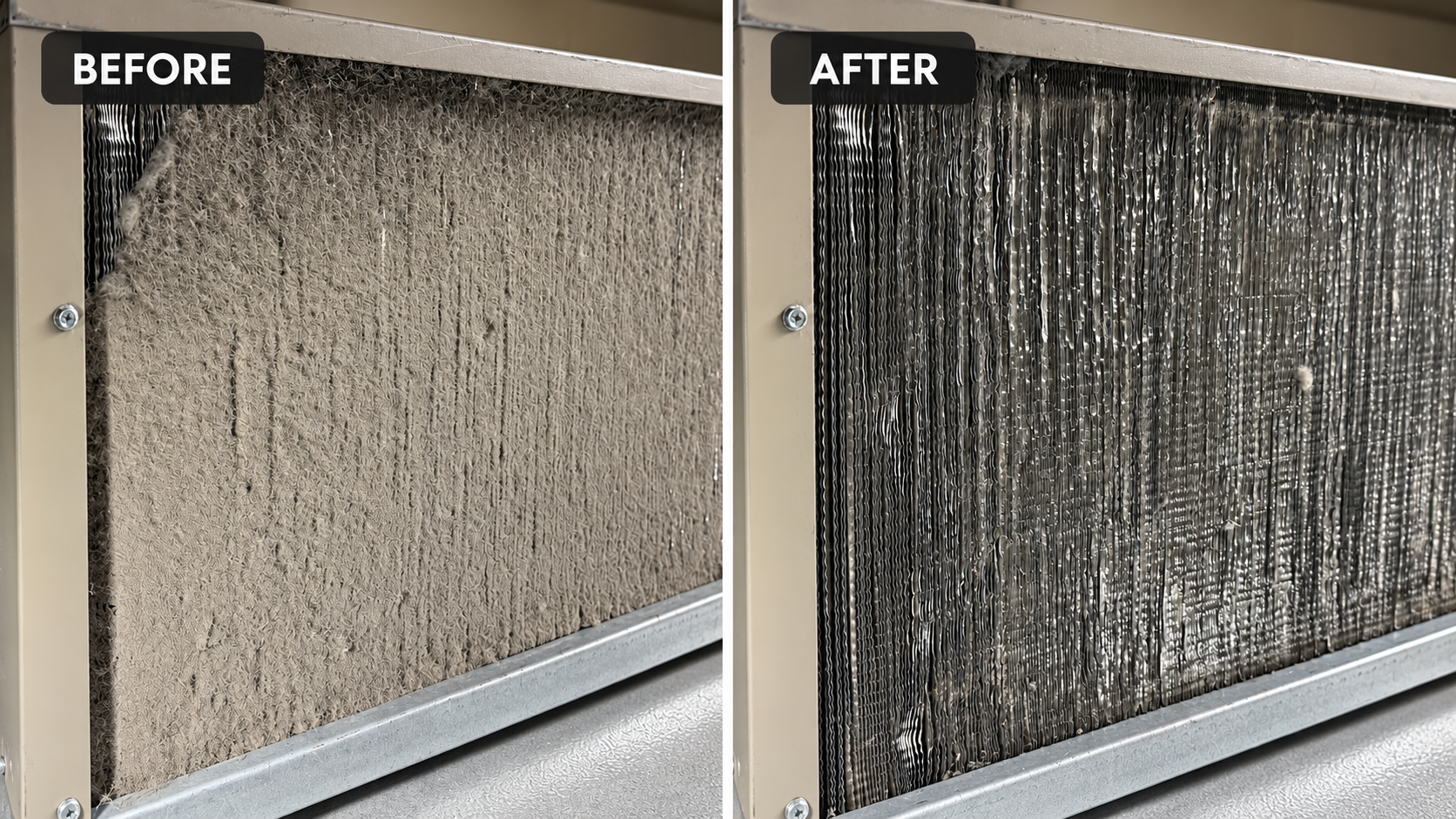
Use seasonal planning to review equipment records, access, visible condition and cleaning needs. Match professional work to the installed refrigeration equipment and its instructions.
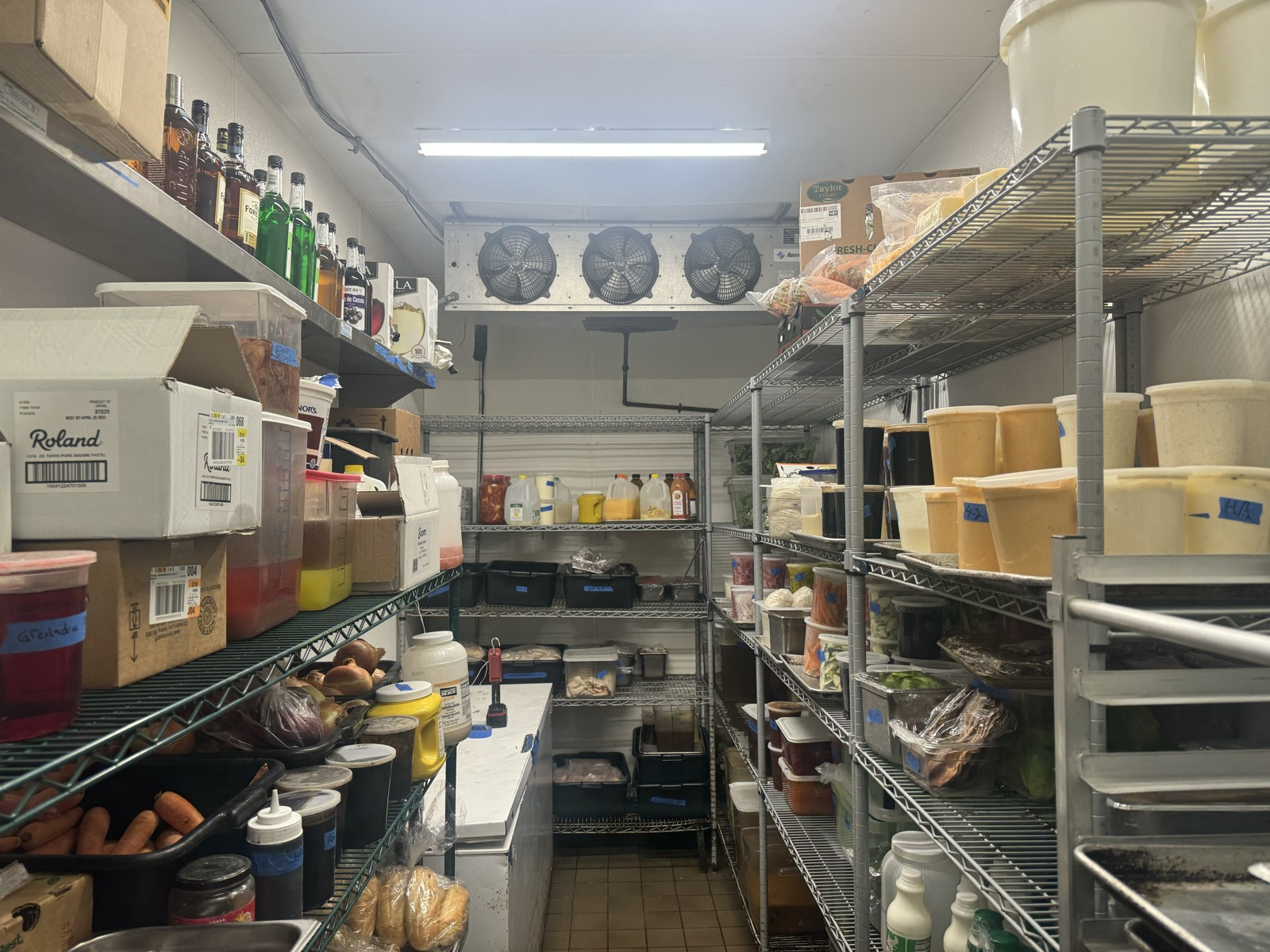
Use safe external observations to describe cooling, ice, water and running changes. Cooler and freezer symptoms require checks matched to the installed equipment.
Commercial equipment service
Use the guides for practical first checks and planning. When the equipment needs on-site diagnosis or repair, choose the closest service below.
Commercial equipment support
Call about an urgent equipment problem or continue to Contact to request service at your commercial property.